Dehumanization
Obscuring the human tragedy
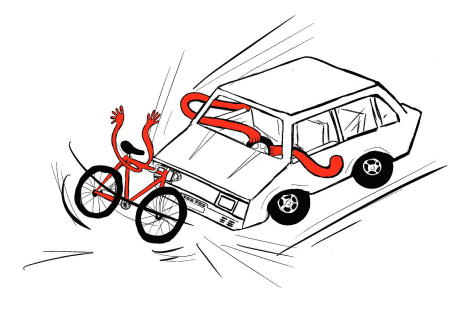
Removing human beings from the story and replacing them with vehicles and traffic concerns.
We report traffic crashes as “accidents” as if they were random, unavoidable, acts of fate and glitches in the machine. They are not. They are the consequence of choices in road design, in policy, in speed and whose lives we are willing to put at risk.
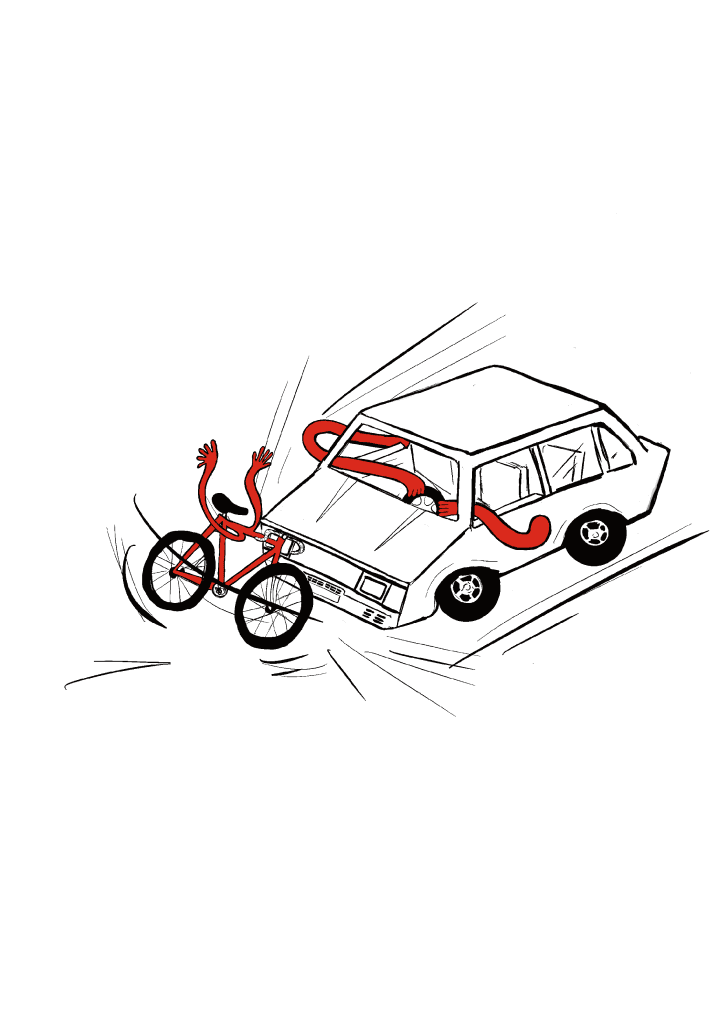
Every year crashes kill and maim millions of people worldwide. In Europe alone, around 20,000 people die on roads annually. Hundreds of thousands more are left with injuries they will carry for the rest of their lives — shattered spines, amputated limbs, brain damage, chronic pain.
Causes of death with similar numbers have national campaigns, policy agendas, and public outrage. Road deaths do not. Yet, they are the direct and predictable consequence of political choices. For decades, in planning offices, cabinet rooms, and municipal councils, we have designed our streets, neighbourhoods, and cities around the fast and efficient movement of motor vehicles. The result is not incidental. It is structural.
Framing matters. When road deaths are described as “accidents,” responsibility disappears. There is no perpetrator, no accountable decision-maker, no policy failure to correct. The system remains unquestioned, and the deaths continue — steady, predictable, and largely unchallenged.
The media framing
These headlines look normal. The kind of thing you'd scroll past. But look closer at the choices the words make and the questions not asked by the article.
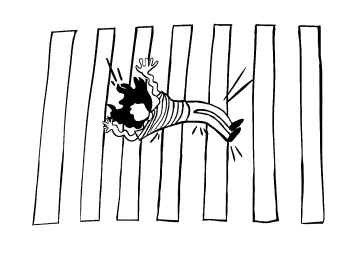
Voetganger aangereden
"Pedestrian hit"
HIDES THE DRIVER

Jongen komt om het leven bij ernstig ongeluk met vrachtauto in Helden
"Boy dies in serious accident with truck in Helden"
CALLED AN ACCIDENT
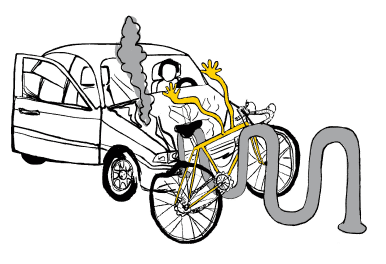
Auto rijdt dwars door fietsenrekken bij winkelcentrum in Purmerend
"Car drives straight through bike racks at shopping centre in Purmerend"
HIDES THE HUMAN SUFFERING
This isn't sloppy journalism. It's a frame. It erases the person, hides the system, and makes a preventable death sound like fate.
The mechanisms
Journalists cover crashes under pressure, but their stories reflect broader mobility norms, not just individual failings.
Dehumanization
Removing human beings from the story and replacing them with vehicles and traffic concerns.
Episodic framing
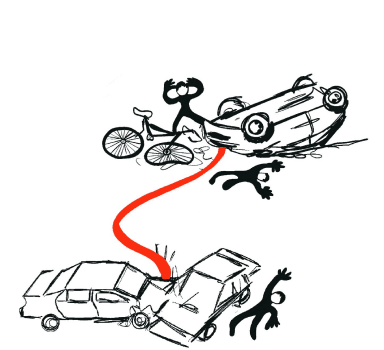
Presenting crashes as random, isolated events rather than connecting them as part of a larger pattern.
Victim blaming
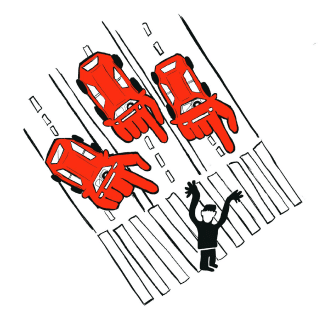
Focusing on vulnerable road users while downplaying driver actions or systemic causes.
Naturalization
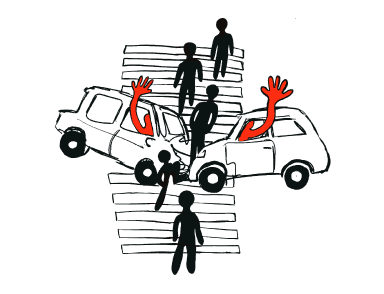
Frames crashes as unavoidable accidents instead of preventable outcomes of choices about speed, road design, and mobility.
Motornormativity
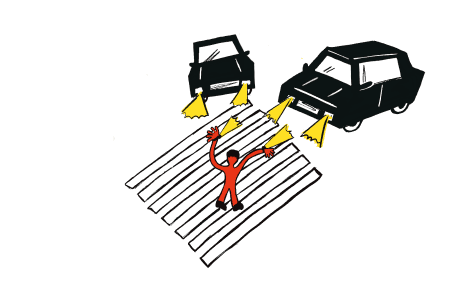
Assumes driving is default and its harms are acceptable. The idea that streets should prioritize cars over people.
What's hidden
The death toll is staggering. But because each one is reported as an isolated incident, an “accident”, we never see the full picture. So let's see it.
NETHERLANDS
675
killed on Dutch roads in 2024
EUROPE
19,940
an entire neighbourhood, gone every year
WORLDWIDE
1,190,000
the population of Amsterdam being killed every year
Estimated Global deaths
since January 1st, 2026
653,747
people killed in traffic this year
approximately one death every 27 seconds
And behind each death: 15 people with serious injuries, 70 with lighter ones, and families that will never be whole again.
Road traffic deaths are the leading cause of death for people aged 15–29 worldwide. Yet this crisis receives far less attention than other causes of similar mortality.
The media framing doesn't just describe the crisis. It sustains it. Crash language and road danger reinforce each other.
What is the goal
We're roaddanger, an initiative of the Lab of Thought. Since 2019, around 500 volunteers have been collecting and analysing how newspapers around the world report on traffic crashes. Together, we've catalogued close to 24,000 articles covering 19,500 crashes and the media record of 18,000 injured and 5,500 killed. Because if the language changes, the crisis becomes visible. If the crisis is visible, pressure builds. Pressure creates change. That is why we collect news articles about traffic crashes and analyze how they are framed.
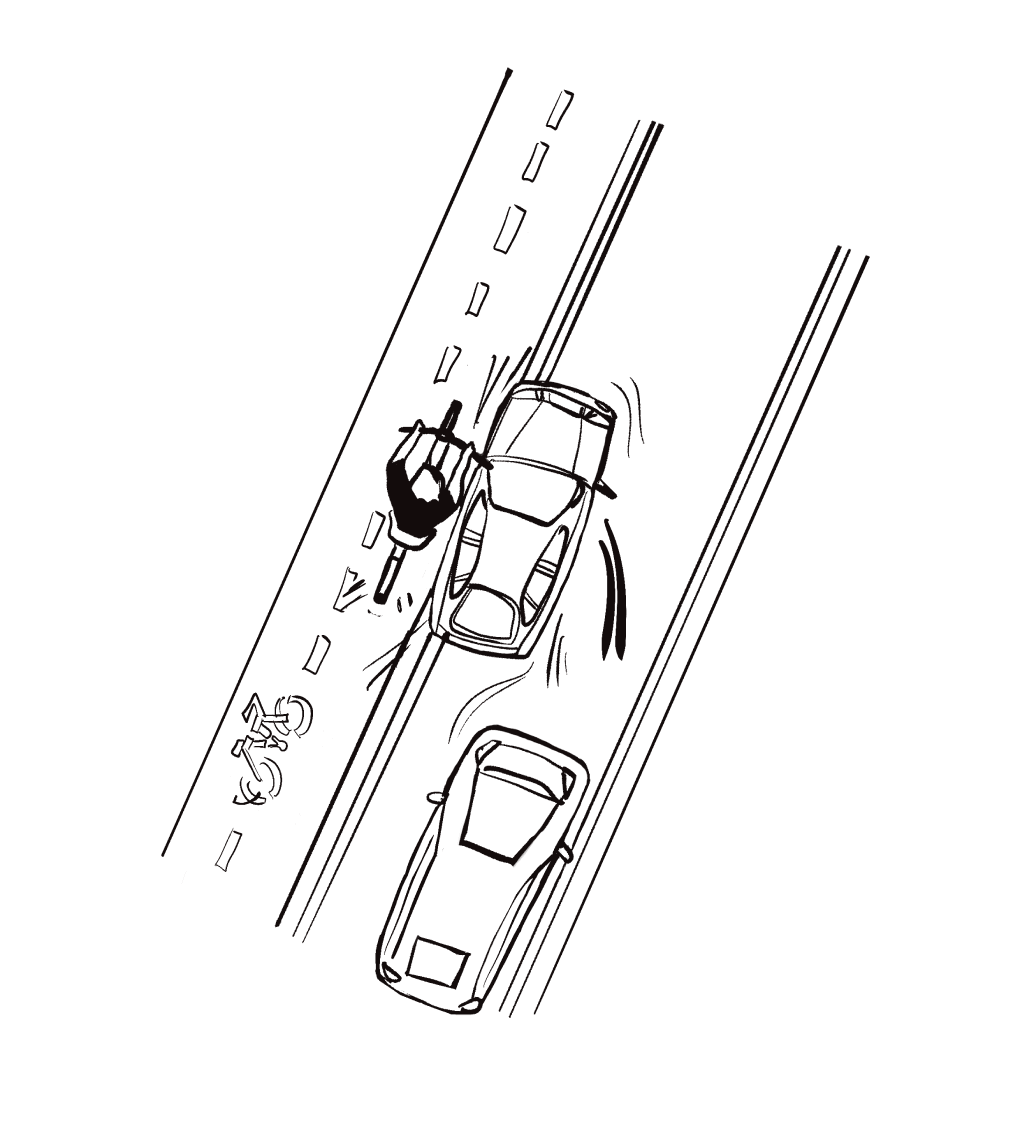
How we measure
Every crash headline we collect gets tested against three questions adapted from the Bechdel test.
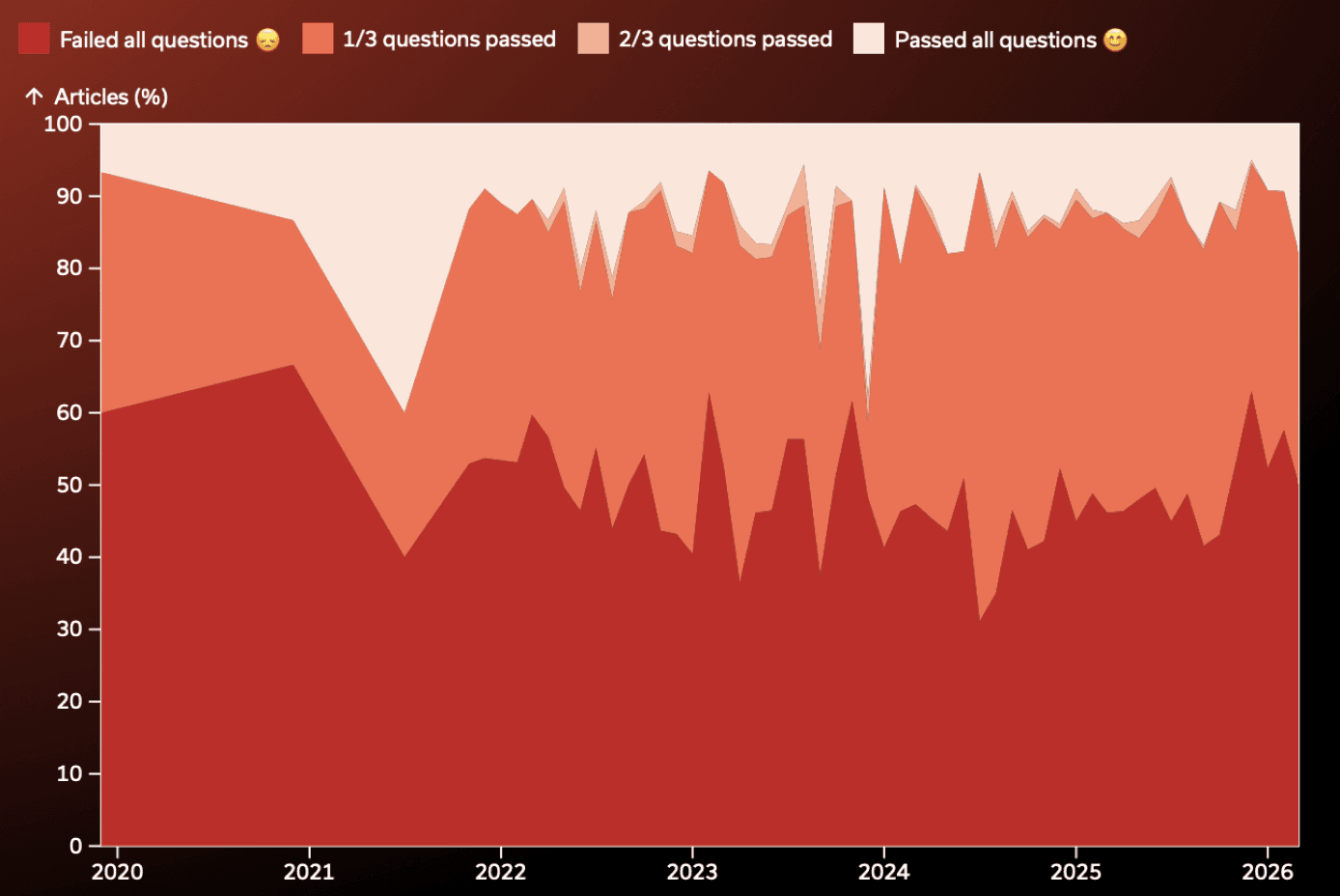
Because most readers never get past the headline. Which means the framing of those few words shapes the entire public understanding of a crash.
Jongen komt om het leven bij ernstig ongeluk met vrachtauto in Helden
“Boy dies in serious accident with truck in Helden”
What else the data reveals